

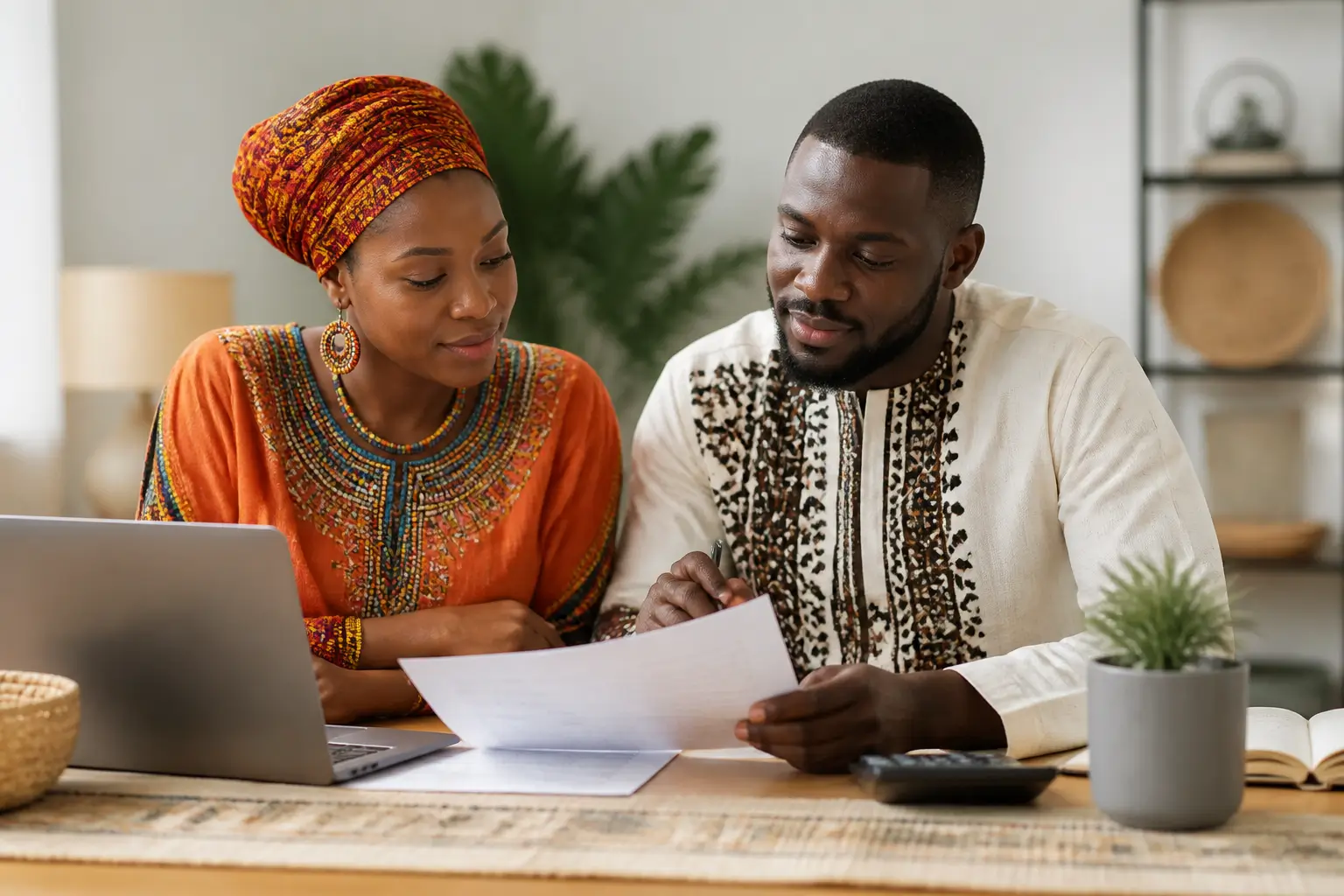
Customary marriage South Africa is more than a family or cultural milestone. It can affect property rights, credit applications, debt, and what happens to an estate later on. That is why it helps to know when a customary marriage is actually recognised under South African law, and what proof may matter when money decisions are on the line.
What does customary marriage South Africa mean in law?
In South Africa, a customary marriage is a marriage entered into in line with the customs and traditions of the families involved. The Recognition of Customary Marriages Act gives these marriages legal status, which means they are not just social arrangements. They can create real legal and financial duties between the spouses.
In practice, the difficult question is often not whether a celebration took place, but whether the legal requirements were met. Families may agree that a couple is married, yet a court, bank, insurer, or executor may still want clear evidence that the marriage was concluded in a way the law accepts.
Our team often sees that people only think about the legal side of a customary marriage when there is a death, a property dispute, or a credit application. By then, the paperwork and proof become very important.
So when are you actually married?
The short answer is: when the marriage is negotiated or celebrated according to customary law, and the required steps have been completed. That may include family negotiations, lobola discussions, and the handing over of the bride, depending on the custom followed by the families involved.
Courts have looked closely at these facts because not every relationship that looks like a marriage will be treated as one. Living together, having children, or having lobola negotiations on their own may not always be enough. The full picture matters.
Why the handing over of the bride matters
In many cases, the handing over of the bride has been treated as a key sign that the marriage has been finalised under custom. It helps show that the bride has been accepted into the groom’s family in a way that goes beyond cohabitation.
That does not mean every family must follow exactly the same ceremony in the same way. Customs differ across communities. What matters is whether the steps taken show that the families intended to conclude the marriage in line with their own customary rules.
What if lobola was paid but there was no ceremony?
Lobola is important, but it is not the only issue. Paying part of lobola, holding negotiations, or exchanging gifts may support the case that a marriage existed. Still, the law looks at the whole process, not one fact in isolation.
If there is a dispute later, a court may ask whether the relationship had moved from promise or preparation into a completed marriage. That is why couples should keep records, messages, photos, and any written agreements that show what was agreed between the families.
Why does this matter for credit and personal loans?
Marital status can affect how credit providers assess an application. If you apply for personal loans, vehicle finance, or a bond, the lender may want to know whether you are married and what your marital property system is. That affects who signs, who is responsible, and what assets may be considered.
If a customary marriage is legally recognised, both spouses may need to think carefully about shared debt and shared liability. A loan application that ignores the marriage status can create problems later, especially if the couple separates or one spouse passes away.
- Issue: Property ownership — Why it matters: May affect who owns assets and how they are managed — What to check: Marital regime, title deeds, and any written agreements
- Issue: Credit applications — Why it matters: Can affect disclosures and affordability checks — What to check: Whether both spouses must be involved
- Issue: Debt responsibility — Why it matters: May change who is liable for repayment — What to check: Who signed, and on what terms
- Issue: Estate planning — Why it matters: May affect inheritance and beneficiary rights — What to check: Wills, nominations, and marriage records
For households in South Africa, that is not a small detail. It can shape monthly budgeting, repayment discipline, and what happens when a major expense comes up.
What does it mean for property and home loans?
If you are buying a home, applying for a bond, or sharing property with a spouse, the legal status of the marriage can matter a great deal. A recognised customary marriage may affect how a home is registered and how both parties are treated if there is a dispute.
It is also worth checking whether the marriage is in or out of community of property, and whether there are any written agreements in place. Those details can influence how property is shared and how liabilities are handled. If you are unsure, it is safer to get the facts in order before you sign anything.
Keep the records close
When money is involved, proof helps. Keep copies of:
- lobola negotiation notes or messages
- family agreements
- wedding or handover photographs
- letters, affidavits, or other records showing the relationship was concluded
- IDs, marriage documents, and estate planning records
These may not solve every dispute, but they can help show what the families agreed and whether the marriage was completed under custom.
What happens if there is no clarity later?
The biggest problems often come after someone dies or when money is disputed. A surviving partner may need to prove the marriage to claim against an estate, pension, or insurance benefit. If the relationship was not clearly documented, delays and legal conflict can follow.
That is why we always encourage people to treat customary marriage as a serious legal and financial event, not just a family occasion. If the marriage is recognised, it can affect inheritance, debt, and financial support duties. If it is not clearly recognised, the consequences can be costly.
Frequently asked questions
Does lobola alone make a customary marriage valid?
Not always. Lobola is important, but South African law looks at the full customary process. The families’ intention and the steps that show the marriage was completed both matter.
Can a couple be married even if they only lived together?
Living together on its own usually does not prove a customary marriage. There must be evidence that the relationship was concluded in line with customary law.
Why should I care about this when applying for credit?
Because marital status can affect who is liable, what assets are considered, and whether a lender needs both spouses to sign or disclose information. That matters for affordability and repayment planning.
What should couples do to avoid disputes?
Keep records of negotiations, ceremonies, and agreements. If possible, also make sure estate planning documents and beneficiary nominations are up to date.
For readers looking at borrowing, family finances, or property decisions, the main point is simple: know whether your customary marriage is legally recognised before you take on new credit or major obligations. A clear record can save a lot of stress later.
If you are planning a loan or another important money decision, take a careful look at your household budget and your repayment ability first. You can also learn more about responsible borrowing with Spring Loans.
This article is for general informational purposes only and is not financial advice. Spring Loans is a registered South African credit provider — please speak to a qualified financial adviser or registered credit provider before making borrowing decisions.
Ready to apply?
Spring Loans is a registered South African credit provider. Visit www.springloans.co.za to check your eligibility and apply online.

.svg)