
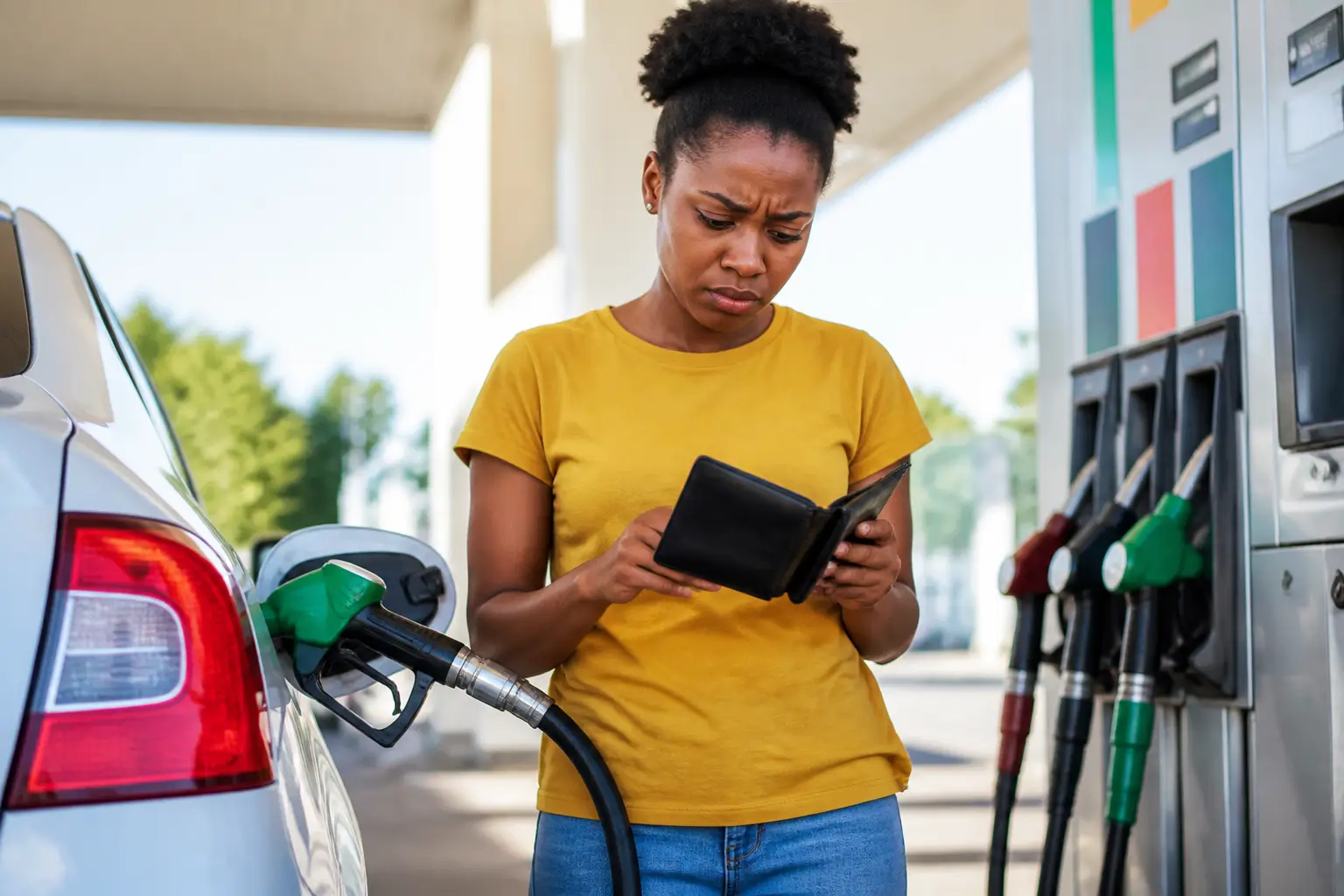
If you've been tracking the petrol price South Africa in recent weeks, you'll know the story has taken a frustrating turn. What began as a promising over-recovery of around R2.50 per litre at the start of July has now dwindled to barely 40 cents for petrol, while diesel has flipped from a healthy surplus into an under-recovery of more than a rand per litre.
It's a reminder that fuel prices remain stubbornly linked to forces beyond our borders—and that managing a household budget in South Africa means staying nimble when transport costs swing.
What's driving the petrol price South Africa volatility?
By late July, the Central Energy Fund's data painted a sobering picture. Petrol 93 was tracking for a decrease of 46 cents per litre, and Petrol 95 about 41 cents—a far cry from the R2.50 cushion motorists enjoyed a few weeks earlier. Diesel, meanwhile, moved into the red: wholesale Diesel 0.05% faced a potential hike of R1.10 per litre, and Diesel 0.005% around 89 cents.
The shift is tied directly to international crude markets. Brent oil climbed back above the $100-per-barrel mark, driven by ongoing geopolitical tensions in the Middle East. When global supply tightens or uncertainty flares, South African motorists feel it within weeks.
The diesel squeeze hits harder
Diesel price movements are particularly painful for the wider economy. Freight companies, farmers, and tradespeople all depend on diesel to move goods and run equipment. When diesel climbs, those costs ripple outward—into the price of groceries, building materials, and just about everything that travels by road.
Over the course of July alone, diesel's over-recovery shrank by more than R4 per litre. That's a steep reversal in a matter of weeks.
How the R2 per litre change affects your monthly budget
Let's bring it home. Say you drive a sedan with a 50-litre tank and fill up twice a month. A R2 per litre swing—whether it's a cut that disappears or a hike that arrives—means roughly R200 extra (or R200 less) in your pocket each month.
R200 might not sound like much, but for many South African households juggling bond repayments, school fees, groceries, and electricity, every rand counts. And when you add in the knock-on effects—higher taxi fares, costlier deliveries, pricier fresh produce—the real impact is larger than the pump price alone suggests.
Budgeting for fuel-price uncertainty
We often see clients at Spring Loans who are managing tight cash flow and looking for ways to smooth out monthly expenses. Here are a few practical steps that can help:
- Set aside a fuel buffer. If your budget allows, earmark an extra R300–500 per month as a fuel contingency. When prices drop, let that surplus build; when they spike, you've got a cushion.
- Track your actual consumption. Use a simple spreadsheet or budgeting app to log every fill-up. You might be surprised how much you're really spending—and where you can cut back.
- Explore lift clubs or public transport. Even cutting one or two solo commutes per week can shave hundreds of rands off your monthly fuel bill.
- Consider your vehicle's fuel efficiency. If you're in the market for a replacement car, fuel economy should be high on your list. A difference of two or three litres per 100 km adds up fast.
The bigger picture: why petrol price South Africa won't stabilise soon
The truth is, as long as South Africa imports the bulk of its crude and refined fuels, we remain price-takers on the global market. Exchange-rate movements add another layer of volatility: when the rand weakens against the dollar, each barrel of oil costs us more in rands, even if the dollar price stays flat.
Recent data shows that petrol prices are still roughly R6 per litre higher than they were before the latest surge in global crude. Diesel is more than R7 per litre above its earlier baseline. Even with August's projected small decrease in petrol, we're nowhere near pre-shock levels.
Fuel affordability isn't just about what you pay at the pump—it's about the cumulative pressure on household cash flow, month after month.
Should you borrow to cover a fuel-cost crunch?
It's a question we hear now and then: "Can I take out a personal loan to help with transport costs?"
Short answer: borrowing to cover recurring expenses like fuel is rarely a good long-term strategy. Credit should ideally go toward once-off needs—emergency car repairs, urgent medical bills, bridging a short-term income gap—not ongoing monthly costs.
That said, if you're facing a genuine cash-flow emergency and need breathing room to restructure your budget, a responsible personal loan can be part of the solution—as long as you're confident you can afford the monthly repayments and you have a clear plan to adjust your spending going forward.
Questions to ask yourself before you apply
- Can I genuinely afford the instalment every month, even if fuel prices rise further?
- Am I using this loan to buy time while I fix the underlying budget problem, or am I just kicking the can down the road?
- Have I explored all other options—cutting discretionary spend, negotiating payment plans with other creditors, selling an unused asset?
If the answer to any of those is uncertain, it's worth speaking to a registered credit provider or a qualified financial adviser before you commit.
Practical ways to reduce your fuel spend right now
While you can't control the petrol price South Africa, you can control how much fuel you use. Here are some tactics that work:
Drive smarter, not harder
Aggressive acceleration, speeding, and hard braking all waste fuel. Smooth, steady driving—especially on highways—can improve fuel economy by 10% or more. It also extends the life of your tyres and brakes.
Keep your car in good shape
Under-inflated tyres increase rolling resistance, forcing your engine to work harder. A clogged air filter or old spark plugs can hurt efficiency, too. Regular servicing pays for itself in fuel savings.
Plan your trips
Combine errands into a single outing instead of making multiple short trips. Cold engines use more fuel, so fewer start-ups mean better mileage.
Lighten the load
Remove unnecessary weight from your boot. Every extra 50 kg can increase fuel consumption by around 2%.
Use loyalty programmes and price-comparison apps
Some fuel retailers offer cents-per-litre discounts or reward points. Over a year, that can add up to a couple of free tanks.
What about vehicle finance and the cost of ownership?
If you're in the market for a car—or considering refinancing your current vehicle—fuel efficiency should be a headline consideration, not an afterthought. A vehicle that costs R5,000 less per month on finance but guzzles an extra R1,500 in fuel isn't really saving you money.
When you apply for vehicle finance, lenders look at your total affordability: can you comfortably service the instalment, insurance, maintenance, and fuel? If you're already stretched, a fuel-price spike can tip your budget into the red.
Our advice: build fuel costs into your affordability calculation from day one. If you're spending more than 15–20% of your monthly income on transport (finance, fuel, insurance, maintenance combined), you may be over-extended.
The link between fuel prices and broader living costs
Petrol and diesel don't just power your car—they power the economy. When fuel prices climb, the cost of moving goods rises. Supermarkets adjust shelf prices. Taxi operators raise fares. Delivery services add surcharges. Before long, inflation ticks upward, and the South African Reserve Bank may respond with interest-rate hikes, making bond repayments and credit more expensive.
It's a cycle worth understanding, because it underscores why fuel-price volatility matters even if you don't own a car. If you rely on taxis or ride-hailing apps, you'll feel the pinch, too.
- Month: March — Petrol 95 change: +R0.20 — Diesel 0.005% change: +R0.65
- Month: April — Petrol 95 change: +R3.06 — Diesel 0.005% change: +R7.51
- Month: May — Petrol 95 change: +R3.27 — Diesel 0.005% change: +R5.27
- Month: June — Petrol 95 change: +R1.43 — Diesel 0.005% change: −R2.62
- Month: July — Petrol 95 change: −R1.96 — Diesel 0.005% change: −R3.59
- Month: Cumulative — Petrol 95 change: +R6.00 — Diesel 0.005% change: +R7.22
The table above shows how quickly fuel-price adjustments can compound. Even after a modest July decrease, prices remain sharply elevated compared to where they started.
Staying financially resilient in the face of price shocks
Fuel-price volatility is a fact of life in South Africa. The best defence is a flexible, well-planned budget that anticipates variability rather than hoping for stability.
Here's what financial resilience looks like in practice:
- An emergency fund that covers at least three months' essential expenses (including fuel).
- A monthly budget with line items for variable costs—fuel, food, electricity—that you review and adjust every few weeks.
- Debt repayments that you can comfortably afford even if one or two cost categories spike.
- A clear understanding of where you can cut back quickly if cash flow tightens.
If you're borrowing—whether it's a personal loan, vehicle finance, or a home loan—make sure your affordability calculation includes realistic estimates for fuel and other transport costs. Lenders are required by the National Credit Act to assess affordability, but you know your lifestyle and spending patterns better than anyone. Be honest with yourself about what you can sustain.
Frequently asked questions
Why did the petrol price South Africa change so quickly in July?
The swing in July was driven by a sharp rise in international crude-oil prices, which climbed back above $100 per barrel. South Africa imports most of its fuel, so global price movements hit local pumps within weeks. Geopolitical tensions in the Middle East contributed to supply uncertainty and higher costs.
How can I protect my budget from fuel-price volatility?
Set aside a monthly fuel buffer, track your actual consumption, and adjust your driving habits to maximise efficiency. If possible, reduce the number of trips you make or explore lift-sharing and public transport. Keeping your vehicle well maintained also helps you get the most from every litre.
Is it a good idea to take out a loan to cover rising fuel costs?
Generally, no. Borrowing to cover recurring monthly expenses like fuel can lead to a debt spiral. Credit is better suited to once-off emergencies or bridging a temporary income gap. If you're struggling with cash flow, speak to a registered credit provider or financial adviser about restructuring your budget or consolidating existing debt.
Will the petrol price South Africa come down again soon?
It's difficult to predict. Fuel prices depend on global crude markets, the rand–dollar exchange rate, and local levies. While there may be short-term relief if oil prices ease or the rand strengthens, long-term volatility is likely to continue. Budget for variability rather than hoping for stability.
How does the diesel price affect me if I don't drive a diesel vehicle?
Diesel powers commercial transport, agriculture, and logistics. When diesel prices rise, the cost of moving goods increases, which flows through to higher prices for groceries, building materials, and other everyday items. Even if you drive a petrol car or use taxis, diesel-price hikes affect your overall cost of living.
This article is for general informational purposes only and is not financial advice. Spring Loans is a registered South African credit provider—please speak to a qualified financial adviser or registered credit provider before making borrowing decisions.
Ready to apply?
Spring Loans is a registered South African credit provider. Visit www.springloans.co.za to check your eligibility and apply online.