
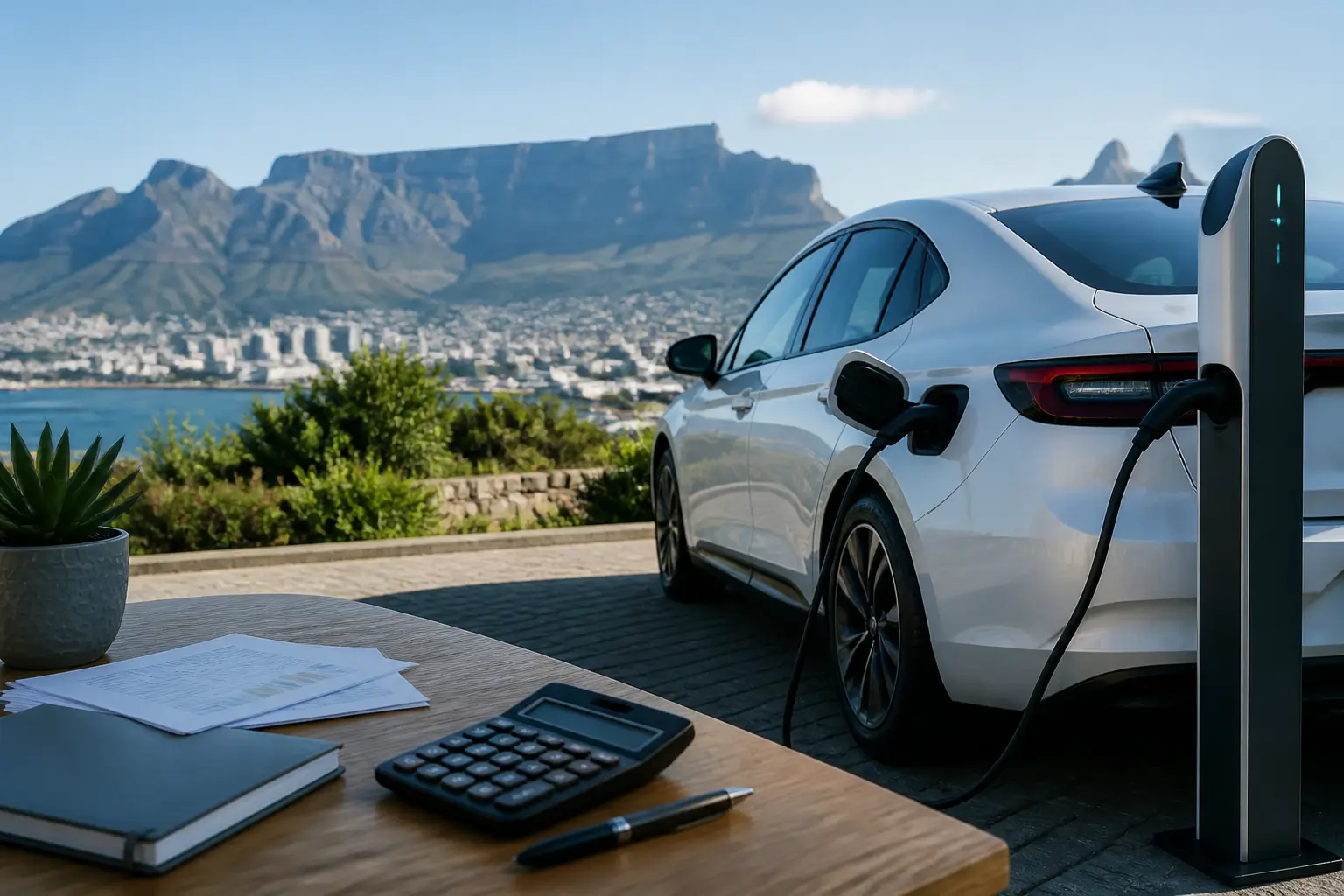
Electric and hybrid vehicles are no longer a distant future for South Africa. They're here, and the automotive industry is scrambling to adapt. As the retail automotive aftermarket evolves to service these new technologies, South Africans considering their next vehicle purchase face fresh questions about financing, running costs, and long-term value.
This shift matters for anyone looking at vehicle finance in South Africa. The choice between an electric vehicle (EV), a hybrid, or a traditional petrol or diesel car now involves more than just the sticker price—it touches on infrastructure, maintenance costs, resale value, and how lenders assess these newer technologies.
Why electric and hybrid vehicles are gaining ground in South Africa
The South African automotive sector is facing a skills revolution. Industry training bodies are developing the country's first nationally recognised qualifications to equip technicians with the specialised knowledge needed to service electric and hybrid vehicles. This isn't just about keeping up with global trends—it's about preparing workshops, dealerships, and the entire aftermarket for a fundamental change in how cars work.
Electric vehicles operate differently. They have fewer moving parts, require different diagnostic tools, and demand new safety protocols. Workshops that don't invest in upskilling their staff risk being left behind as more EVs and hybrids roll onto our roads.
For consumers, this industry evolution signals growing confidence in EV viability. When training programmes, partnerships with international automotive leaders, and standardised accreditation all point in one direction, it suggests electric mobility is becoming mainstream—not experimental.
Vehicle finance in South Africa: how EVs change the equation
When you apply for vehicle finance in South Africa, the lender assesses the car's value, your affordability, and the risk involved. Electric vehicles introduce new variables into this calculation.
Purchase price vs. total cost of ownership
Electric vehicles typically carry a higher upfront cost than their petrol or diesel equivalents. That means a larger loan amount if you're financing the purchase. However, running costs tell a different story.
Electricity is cheaper than petrol per kilometre. EVs have fewer components that wear out—no oil changes, no exhaust systems, fewer brake replacements thanks to regenerative braking. Over five or seven years, the total cost of ownership can work out lower, even if your monthly vehicle finance instalment starts higher.
Before committing to a larger loan, consider whether you can afford the repayments comfortably. A lower fuel bill won't help if you're stretched thin each month.
Resale value and depreciation
Resale value matters, especially if you plan to trade in or sell before the loan term ends. South Africa's second-hand EV market is still developing. Buyer demand, battery health concerns, and the availability of charging infrastructure all influence what your EV will be worth in three or five years.
Some lenders take a conservative view of EV residual values when calculating finance terms. This can affect your deposit requirement or interest assessment. It's worth asking your credit provider how they evaluate electric vehicles specifically.
Insurance and maintenance costs
Insurance premiums for EVs can differ from traditional cars, reflecting repair costs and parts availability. Maintenance is generally cheaper over time, but specialist services—like battery diagnostics—may cost more per visit.
Factor these into your budget when comparing finance options. A slightly higher monthly instalment on an EV might still leave you better off overall if service intervals are less frequent and running costs lower.
Charging infrastructure: the practical reality
One of the biggest questions South Africans face when considering an EV is: where will I charge it?
If you have off-street parking and can install a home charger, daily charging is straightforward. Load shedding complicates things, but many EV owners pair their vehicles with solar or battery storage systems.
Public charging networks are expanding in major metros—Johannesburg, Pretoria, Cape Town, and Durban have growing coverage. Smaller towns and rural areas lag behind. If your daily commute or regular routes don't align with charging infrastructure, a plug-in hybrid might offer a better balance.
Think about your actual driving patterns. Do you mostly do short trips within the city? An EV with 250–350 km range will serve you well. Regular long-distance travel on routes without charging stations? A hybrid or traditional vehicle may still be the smarter finance decision.
Choosing between EV, hybrid, and traditional vehicles for financing
The right choice depends on your circumstances, not just the technology.
Pure electric vehicles
Best for urban drivers with reliable home charging. Lower running costs, minimal maintenance, and a smooth, quiet driving experience. Higher upfront cost and dependence on charging infrastructure are the trade-offs.
From a finance perspective, ensure the higher loan amount fits your budget comfortably. Remember that credit providers assess affordability based on your income and existing commitments—overextending yourself now can lead to repayment stress later.
Hybrid vehicles
Hybrids combine a petrol engine with an electric motor, offering flexibility. You're not dependent on charging stations, but you still benefit from improved fuel economy in city driving.
Purchase prices sit between traditional cars and pure EVs. Finance terms are often more familiar to lenders, which can mean smoother approval processes. Maintenance involves both systems, so servicing can be more complex than a pure EV but still simpler than some traditional engines.
Traditional petrol and diesel
Still the most common choice in South Africa. Lower purchase prices, established resale markets, widespread service networks, and no range anxiety.
Fuel costs are higher and rising. Maintenance schedules are more frequent. But if your budget is tight or charging infrastructure doesn't suit your lifestyle, a traditional vehicle financed sensibly might be the responsible option.
Consider whether you can afford the repayments over the full loan term, not just in the first few months. Your circumstances can change, and a vehicle finance agreement is a long-term commitment.
What the skills shift means for vehicle owners
As the automotive aftermarket develops specialised training for EV and hybrid servicing, vehicle owners will benefit from better-qualified technicians and standardised service quality. Nationally recognised qualifications mean you can trust that a workshop advertising EV services actually has the skills to back it up.
This professionalisation also protects resale value. A well-documented service history from accredited providers will matter when you sell or trade in your EV. It reassures the next buyer—or the dealer assessing your trade-in—that the vehicle, particularly the battery, has been properly maintained.
For anyone financing a vehicle, this is important. The car is often used as security for the loan. Maintaining its value protects both you and the lender.
How to approach vehicle finance for an electric or hybrid car
Whether you're considering an EV, hybrid, or traditional vehicle, the fundamentals of responsible borrowing remain the same.
Assess your affordability honestly. Factor in the monthly instalment, insurance, maintenance, and running costs. Don't forget about charging equipment or electricity costs if you're going electric. Your total monthly vehicle cost should fit comfortably within your budget, leaving room for other expenses and savings.
Compare the total cost of ownership, not just the purchase price. A cheaper car with expensive running costs can end up more costly than a pricier vehicle with lower fuel and maintenance bills. Run the numbers over the expected finance term—usually 48, 60, or 72 months.
Understand the residual value. Ask your finance provider how they calculate the vehicle's future worth. For EVs especially, this can influence your deposit requirement and the overall cost of credit.
Check what happens at the end of the term. Some finance agreements include balloon payments, where a lump sum is due at the end. Make sure you understand all the terms before signing.
Don't borrow more than you need. Dealerships may offer extras—extended warranties, service plans, accessories. While some add genuine value, others inflate the loan amount unnecessarily. Every rand you borrow costs more than a rand to repay once interest is included.
If you're exploring personal loans in South Africa to cover a deposit or bridge a affordability gap, make sure any additional credit fits within your overall budget. Multiple loan repayments can quickly become unmanageable.
Looking ahead: what this means for South African drivers
The automotive industry's investment in skills development and infrastructure isn't happening in a vacuum. It reflects a genuine shift toward electric mobility, driven by global trends, environmental considerations, and changing consumer expectations.
For South Africans making vehicle decisions today, this creates both opportunity and complexity. Electric and hybrid options are becoming more credible, but they're not yet the default choice for everyone. Your driving habits, home setup, budget, and risk tolerance all play a role.
Vehicle finance in South Africa is adapting alongside the technology. Lenders are learning how to assess EVs, insurance products are evolving, and service networks are expanding. The landscape will keep changing over the next few years.
What won't change is the importance of careful financial planning. Whether you choose electric, hybrid, or petrol, the key is ensuring your repayments are sustainable and the vehicle meets your real needs—not just the appeal of new technology.
Frequently asked questions
Are electric vehicles more expensive to finance than petrol cars?
The loan amount is typically higher because EVs cost more upfront. However, monthly running costs are lower—electricity is cheaper than petrol, and maintenance is less frequent. Some lenders may also apply different residual value calculations for EVs, which can affect deposit requirements. Compare the total cost of ownership, not just the purchase price, when deciding.
Can I get vehicle finance for a second-hand electric vehicle?
Yes, though lenders often assess used EVs more carefully. Battery health, remaining warranty, and resale value projections all influence approval and terms. A documented service history from accredited workshops can strengthen your application. As the second-hand EV market matures in South Africa, financing options should become more standardised.
What should I budget for if I finance an electric vehicle?
Beyond the monthly instalment, consider insurance (which may be higher initially), home charging equipment installation (once-off cost), electricity for charging, and periodic servicing. Although EVs need less frequent maintenance, specialist diagnostics or battery checks may cost more per visit. Budget for the full package, not just the loan repayment.
Is a hybrid a better finance option than a full EV in South Africa right now?
It depends on your circumstances. Hybrids offer flexibility—you're not reliant on charging infrastructure, but you still save on fuel in city driving. They often have lower purchase prices than pure EVs, which means smaller loans. If charging access is uncertain or you drive long distances regularly, a hybrid may be the more practical financed option for now.
Will my EV hold its value when I want to sell or trade it in?
South Africa's second-hand EV market is still developing, so resale values are less predictable than for traditional vehicles. Battery condition, brand reputation, and charging infrastructure growth will all influence future demand. Keeping a full service record from qualified technicians and maintaining battery health will help protect resale value. Speak to your lender about how they assess EV residual values before committing to finance.
This article is for general informational purposes only and is not financial advice. Spring Loans is a registered South African credit provider — please speak to a qualified financial adviser or registered credit provider before making borrowing decisions.
Ready to apply?
Spring Loans is a registered South African credit provider. Visit www.springloans.co.za to check your eligibility and apply online.