When waste becomes opportunity: small business success in Durban
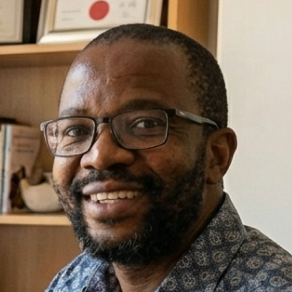
In Umlazi, south of Durban, 25-year-old Minenhle Simelane is proving that entrepreneurship can start with the simplest materials—and the biggest ideas. Where most of us see rubbish destined for landfill, Simelane sees colour, texture, and possibility. His registered business, Umlazi Art and Recycling, now employs 10 people and has turned him into a social media sensation for all the right reasons: creativity, environmental action, and genuine small business success in Durban.
Raised by his grandmother in a financially struggling household, Simelane's journey from traditional mat weaver to fashion designer is a masterclass in resourcefulness. It's also a reminder that some of the most inspiring business stories in South Africa don't begin with large loans or venture capital—they begin with determination, skill, and an eye for what others overlook.
Building a business from traditional roots
Simelane's grandmother taught him to sew traditional mats used at cultural ceremonies and by members of the Shembe church. Those weaving skills—passed down through generations—became the technical foundation of everything he creates today.
"She is the one who taught me how to sew mats," Simelane told local media. "Those skills became the foundation of everything I do today."
Growing up without money for art supplies or fashion design courses, Simelane didn't let unemployment define him. Instead, he asked himself a powerful question: How can I turn waste into something valuable?
That question is at the heart of countless small business success stories across South Africa—particularly in KwaZulu-Natal, where resourcefulness and entrepreneurial spirit run deep.
The viral moment that changed everything
In 2015, Simelane started experimenting. He took discarded chip packets—bright, shiny, and destined for landfill—and wove them into colourful mats using the techniques his grandmother had taught him. When he posted photos on Facebook, he expected little. Within hours, the post had been shared more than 2,000 times.
"The response was unbelievable," he said. "People started asking about my work, placing orders, and inviting me for television interviews. That was when I realised people were ready to support something different."
That viral moment taught him something crucial: differentiation matters. In a crowded marketplace—whether you're selling fashion, offering services, or running any kind of venture—standing out is half the battle.
"I wanted to be different from every other fashion brand. So I mixed fashion with plastic. People were amazed."
From mats to full fashion collections
Encouraged by the response, Simelane pushed further. He began incorporating recycled plastic into jackets, dresses, hats, bags, and statement pieces. Each garment is a labour-intensive process: one mat alone requires between 500 and 800 discarded chip packets, all collected, cleaned, cut, and woven by hand.
Today, his creations are worn by customers across South Africa and shared widely on social media. More importantly, his business now provides income for 10 people in his community—a tangible contribution to employment in a province where job creation is desperately needed.
What small business success in Durban really looks like
Simelane's story isn't just about artistic flair. It's about the fundamentals of building a sustainable enterprise in South Africa's challenging economic climate.
He identified a gap in the market
Recycled fashion existed, but nothing quite like this. By blending traditional weaving with environmental innovation, Simelane carved out a niche that's uniquely his own.
He started small and reinvested
There was no large upfront capital. He used materials others threw away. Every order funded the next stage of growth. That discipline—spending carefully, reinvesting profits, avoiding unnecessary debt—is how many successful small businesses in Durban and across South Africa are built.
He solved a real problem
Plastic pollution is a crisis in South Africa. Millions of tonnes end up in our communities, rivers, and oceans every year. Simelane's work addresses that problem while creating beauty and jobs. When your business contributes to solving a social or environmental challenge, customers notice—and they support you.
He employed others
Ten jobs might not sound like much in corporate terms, but in townships and communities where formal employment is scarce, it's significant. Each person Simelane employs supports a family, pays school fees, buys groceries. That ripple effect is what drives real economic change at grassroots level.
The financial realities of entrepreneurship
Not every business story unfolds as smoothly as a social media feed might suggest. We often see entrepreneurship through the lens of success, but behind that success are tough decisions about money.
Many South African entrepreneurs—especially those starting in townships or rural areas—face a common dilemma: how do I fund growth without taking on unmanageable debt?
Personal loans can play a role when used responsibly. Say you're a Durban entrepreneur who's just landed a big order but needs to buy materials or equipment upfront. A small, carefully planned loan might bridge that gap—provided you've done the sums and know you can afford the monthly repayments from the income that order will generate.
The key word is affordability. Before taking on any credit, ask yourself:
- Can I comfortably meet the monthly instalments from my income or projected cash flow?
- What happens if an order is delayed or a customer doesn't pay on time?
- Am I borrowing to invest in growth, or am I covering a shortfall that points to a deeper business problem?
If you're considering finance to support your business, take time to understand the terms, compare your options, and speak to a qualified financial adviser. Spring Loans is a registered South African credit provider—we understand that responsible borrowing starts with knowing whether you can afford the repayments and having a clear plan for how the funds will help your business grow.
Lessons from Umlazi for entrepreneurs everywhere
Simelane's journey offers practical takeaways for anyone dreaming of starting or growing a business in South Africa.
You don't need expensive materials to start
Simelane built his brand using materials people throw away. Your starting point might be your skills, your network, or something overlooked in your own community. Resourcefulness beats capital every time when you're just beginning.
Traditional skills have modern value
Weaving, sewing, carpentry, beadwork—skills passed down through families are often dismissed as "old-fashioned." Simelane proves they can be the foundation of innovative, profitable businesses. What do you already know how to do? How could you apply it differently?
Social media is a free shop window
That Facebook post changed Simelane's life. If you're running a small business in Durban—or anywhere in South Africa—platforms like Facebook, Instagram, and TikTok give you access to thousands of potential customers without the cost of a physical store. Show your work. Tell your story. Be consistent.
Employment is wealth creation
Every person you employ strengthens your community. It's not just about profit—it's about contributing to the economy in a tangible, human way. If your business grows to the point where you can hire even one person, you're making a real difference.
The environmental case for creative recycling businesses
South Africa generates an estimated 59 million tonnes of waste annually, and only a fraction is recycled. Plastic packaging—like the chip packets Simelane uses—is particularly problematic. It's lightweight, colourful, and designed for single use. Once discarded, it can take hundreds of years to break down.
Businesses like Umlazi Art and Recycling don't solve the waste crisis on their own, but they shift the conversation. They show consumers that waste isn't inevitable—it's a design flaw. And they prove that environmental responsibility and profit aren't opposites; they can fuel each other.
If you're thinking about starting a business with an environmental angle, consider:
- What waste materials are abundant in your area?
- Is there a skill or craft you can apply to transform them?
- Who would pay for products that are both unique and eco-friendly?
The market for sustainable, locally made goods is growing in South Africa. Customers—especially younger ones—want to support businesses that align with their values.
Why Durban and KwaZulu-Natal are fertile ground for entrepreneurs
Durban and the broader KwaZulu-Natal region have always been hubs of creativity and hustle. From the thriving informal markets to tech start-ups and artists breaking into international markets, there's an entrepreneurial energy here that's hard to replicate.
Part of it is necessity—formal employment options are limited, so people create their own. But part of it is culture: a deep-rooted belief in self-reliance, community support, and the power of hard work.
If you're based in Durban and you're sitting on a business idea, know this: you're in good company. The city has produced countless success stories, many of them starting in backyard workshops, kitchen tables, and—like Simelane—grandmothers' homes.
Frequently asked questions
Can I start a small business in Durban without a loan?
Absolutely. Many successful businesses—including Simelane's—start with little or no capital by using available resources creatively. Focus on skills, free tools like social media, and reinvesting early profits. Personal loans can help with growth later, but only if you can afford the repayments and have a clear plan.
How do I register a small business in South Africa?
You can register as a sole proprietor, partnership, or private company through the Companies and Intellectual Property Commission (CIPC). Sole proprietorship is the simplest and cheapest route for most new entrepreneurs. You'll also need to register for tax with SARS if your turnover exceeds the threshold, and consider VAT registration once you reach R1 million in annual sales.
What kind of businesses work well in townships like Umlazi?
Businesses that solve local problems or meet daily needs tend to thrive: food and catering, hair and beauty services, clothing and alterations, childcare, tutoring, repairs, and creative enterprises like Simelane's recycling venture. The key is understanding your community's needs and offering quality at an affordable price.
Should I borrow money to start my business?
Only if you have a clear plan for how the funds will generate income and you're confident you can afford the monthly repayments. Many entrepreneurs start with their own savings or reinvested earnings to avoid debt in the early, uncertain stages. If you do consider credit, speak to a registered credit provider and make sure you understand the terms fully.
How can I market my business if I don't have money for advertising?
Use free platforms like Facebook, Instagram, WhatsApp, and community groups. Share photos of your work, tell your story, ask satisfied customers to refer you, and engage with local influencers or pages. Word-of-mouth and social proof are incredibly powerful in South African communities.
This article is for general informational purposes only and is not financial advice. Spring Loans is a registered South African credit provider—please speak to a qualified financial adviser or registered credit provider before making borrowing decisions.
Ready to apply?
Spring Loans is a registered South African credit provider. Visit www.springloans.co.za to check your eligibility and apply online.