
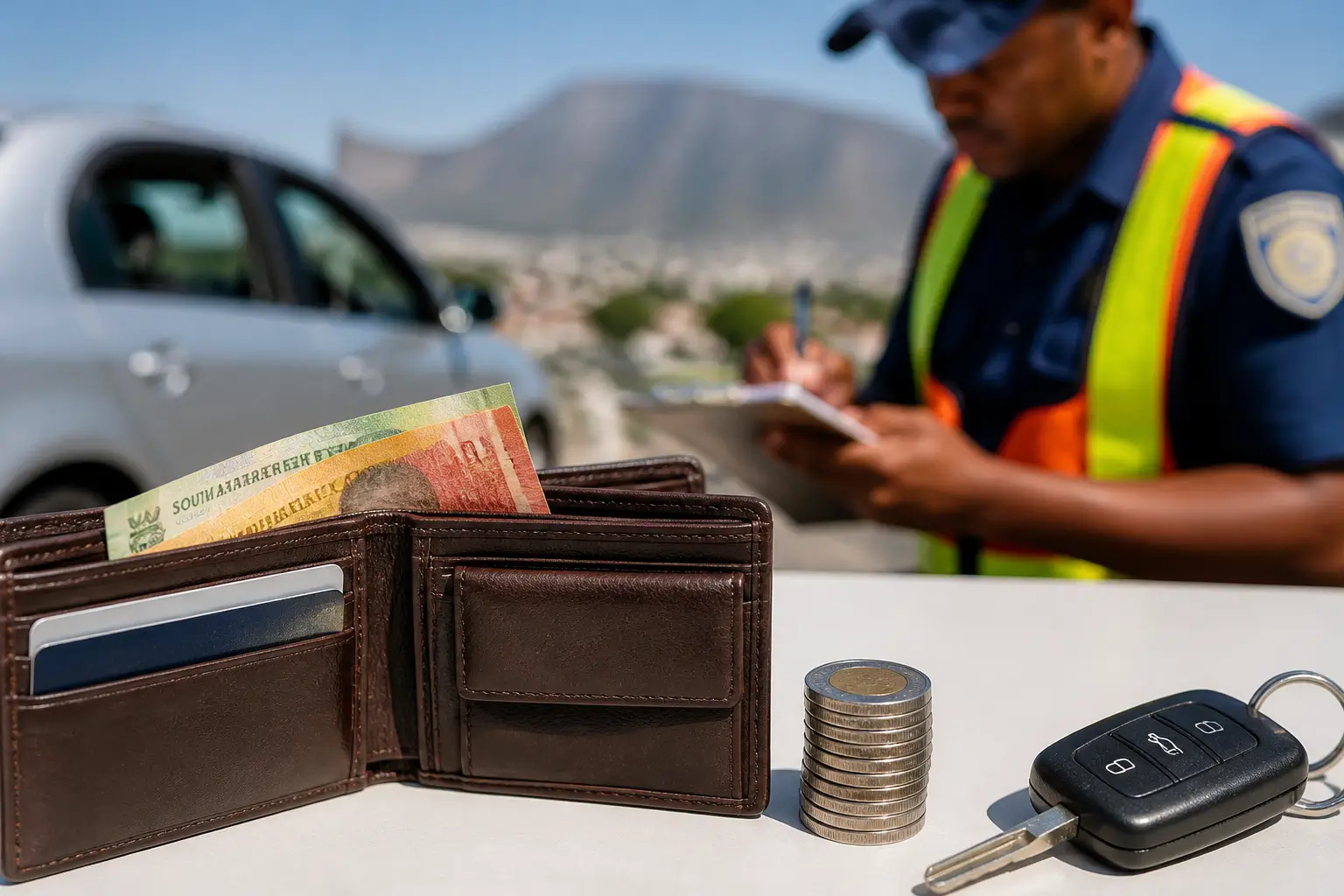
Traffic fines South Africa: the system that's changing this week
A legal challenge to stop the rollout of a new traffic fine system across South Africa has failed, and the system is now being fast-tracked from this Wednesday. Motorists around the country will soon face a different way of receiving, paying, and contesting traffic fines—and the financial implications could be significant if you don't stay on top of your obligations.
For many South Africans, traffic fines are an unwelcome but familiar part of life. Whether it's speeding on the N1, running a robot in Joburg, or forgetting to renew your licence disc, the costs add up. What's changed is how the system works behind the scenes, and that has real consequences for your pocket and your credit record.
What just happened in court?
An urgent court application tried to halt the wider rollout of the new traffic fine administration system. The court found that the application was not urgent enough to warrant an interdict, which means the rollout proceeds without delay. Instead of a phased introduction, the new system is being sped up starting this Wednesday.
The details of the legal arguments matter less to most of us than the practical outcome: the system is here, and it's expanding fast.
How does the new system differ from the old one?
The updated traffic fine system changes the administrative machinery—how fines are issued, tracked, and enforced. While the rand amounts for specific offences are set by regulation and haven't necessarily changed overnight, the consistency and speed of enforcement is increasing.
Here's what we're seeing:
- Centralised records: Your fines from different municipalities and provinces are easier to track in one place, which means fewer fines slipping through the cracks—for authorities and for you.
- Faster processing: Notices are issued more quickly, and the window to dispute or pay may feel shorter if you're not paying attention.
- Improved linkage to licence renewals: Outstanding fines have always been a problem at licence renewal time, but the new system makes it harder to renew your vehicle licence or driver's licence if you have unpaid fines.
- Potential for escalation: Unpaid fines can attract penalty charges and, in some cases, affect your credit profile if they are handed over to debt collectors.
The real cost of ignoring traffic fines in South Africa
Let's talk money. A single speeding fine might be R500 or R1,000 depending on how far over the limit you were. That's manageable for many households. But fines don't stay static.
If you miss the payment deadline, penalties kick in. What started as R500 can balloon to R1,500 or more once late fees, administrative costs, and collection charges are added. Multiply that by two or three fines, and you're looking at a serious dent in your monthly budget.
We've seen clients who thought they had one or two outstanding fines, only to discover at licence renewal time that they owe several thousand rand. The shock is real, and it often comes at the worst possible moment—when you need your vehicle for work or family commitments.
How unpaid fines can hurt your credit score
Here's something many South Africans don't realise: if your traffic fine goes unpaid long enough, it can be handed over to a debt collector. Once that happens, the debt may be reported to the credit bureaux.
A negative listing on your credit report—even for a few hundred rand—can lower your credit score. That might not sound like a big deal until you apply for a personal loan, vehicle finance, or a bond, and you're either declined or offered a higher interest rate because of a "small" unpaid fine from two years ago.
Your credit score is one of your most valuable financial assets. Protecting it means staying on top of all your obligations, including the ones that arrive in a plain envelope from the traffic department.
What should you do right now?
Don't wait for a nasty surprise. Here are practical steps every South African motorist should take in the next few weeks:
- Check your traffic fine status online. Most municipalities and provinces offer online portals where you can check outstanding fines using your ID number or vehicle registration. Do this regularly, not just before licence renewal.
- Set up reminders. If you receive a fine, note the payment deadline in your phone or calendar. Missing it by even a day can trigger penalties.
- Dispute incorrect fines immediately. If you believe a fine was issued in error—wrong vehicle, wrong date, or you weren't driving—follow the dispute process without delay. The new system may have tighter timelines for lodging objections.
- Budget for fines as part of your transport costs. It's not pleasant, but if you drive regularly, the occasional fine is a reality. Set aside a small amount each month so an unexpected R500 fine doesn't derail your grocery budget.
- Pay on time, every time. Even if the fine feels unfair, paying it on time protects your credit record while you explore other options like representation at court.
Managing traffic fines isn't just about avoiding penalties—it's about protecting your ability to access credit when you need it most.
When a fine becomes a debt problem
For some households, a stack of unpaid traffic fines tips the budget over the edge. Perhaps you've been ignoring them for months, and now the total is R5,000 or R10,000. The municipality is demanding payment, and you simply don't have that kind of cash available.
This is where repayment discipline and financial planning become critical. Ignoring the problem won't make it disappear. Debt collectors will keep calling, and the amount will keep growing.
Can you use a personal loan to clear traffic fines?
Some South Africans consider taking out a personal loan to settle a large traffic fine debt in one go, especially if it's preventing them from renewing their licence or if it's already affecting their credit score.
There's no single right answer here. A personal loan can help you clear the debt immediately, stop further penalties, and get your licence renewed. However, you're replacing one obligation with another, and you'll pay interest on the loan.
Before you borrow, ask yourself:
- Can I afford the monthly instalment on top of my existing expenses?
- Is the interest rate on the loan lower than the penalty fees I'm currently paying on overdue fines?
- Will clearing this debt genuinely improve my financial situation, or am I just shifting the problem?
If you're considering a personal loan to manage outstanding fines or other unexpected costs, make sure you understand the terms and can comfortably afford the repayments. Responsible borrowing means only taking on debt you can service without falling behind on other bills. You can explore your options at https://www.springloans.co.za/, where our team can walk you through the process.
The bigger picture: financial wellness and discipline
Traffic fines might seem like a small, irritating piece of your financial life. But how you handle them reveals a lot about your overall money management.
Financial wellness isn't just about earning more—it's about controlling what you can control. Paying fines on time, checking your statements, disputing errors promptly, and avoiding unnecessary penalties are all habits that build a stronger financial foundation.
South Africans face enough financial pressure as it is: rising living costs, petrol price hikes, electricity tariffs, and the ever-present risk of retrenchment or reduced hours. We can't control all of that. But we can control whether a R500 fine turns into a R2,000 debt collection nightmare.
Teaching the next generation
If you have teenagers learning to drive or young adults in the household, now is a great time to have the conversation about traffic fines and financial responsibility. Explain how the system works, what happens when you ignore fines, and why it matters for their future creditworthiness.
These aren't glamorous lessons, but they're the ones that prevent costly mistakes down the line.
What if you genuinely can't afford to pay?
Let's be honest: some South Africans are stretched so thin that even a R500 fine is a crisis. If that's you, ignoring it is still the worst option.
Consider these alternatives:
- Contact the issuing authority. Some municipalities will allow you to arrange a payment plan for larger fines. It's not guaranteed, but it's worth asking.
- Prioritise this debt. If you have R500 available but you're trying to decide between the fine, groceries, and airtime, remember that the fine will grow if ignored. Groceries are essential, but the fine is a ticking clock.
- Seek advice. If you're overwhelmed by multiple debts including traffic fines, speak to a registered debt counsellor. They can help you understand your options and create a realistic repayment plan.
Financial stress is real, and there's no shame in struggling. But there is power in facing the problem head-on rather than hoping it goes away.
Why this rollout matters beyond the fines themselves
The faster implementation of the new traffic fine system is part of a broader push for accountability and efficiency in South African public administration. In theory, a system that works properly benefits everyone: roads are safer, revenue is collected fairly, and motorists know where they stand.
In practice, it means we all need to lift our game. Check your fines regularly. Pay on time. Dispute when necessary. Keep records. These aren't exciting tasks, but they're part of being a responsible motorist and a financially savvy South African.
Frequently asked questions
How do I check if I have outstanding traffic fines in South Africa?
You can check for outstanding traffic fines online through your municipality's website or provincial traffic department portal. You'll typically need your ID number, vehicle registration number, or driver's licence number. Many municipalities also have walk-in centres where you can request a statement of fines. It's a good idea to check every few months, not just when you need to renew your licence.
Can unpaid traffic fines affect my credit score?
Yes. If you don't pay a traffic fine and it gets handed over to a debt collector, that debt can be reported to credit bureaux like TransUnion, Experian, or XDS. A negative listing will lower your credit score, which can make it harder or more expensive to get approved for personal loans, vehicle finance, or a home loan in the future.
What happens if I can't pay my traffic fine before the deadline?
If you miss the payment deadline, the fine will attract penalty fees and administrative costs, often doubling or tripling the original amount. Eventually, the matter may be handed to debt collectors or result in a warrant of arrest in serious cases. If you're struggling to pay, contact the issuing authority as soon as possible to ask about payment arrangements—some municipalities offer instalment options.
Is it a good idea to take out a personal loan to pay traffic fines?
It depends on your situation. A personal loan can help you clear a large fine debt immediately, stop further penalties, and allow you to renew your licence. However, you'll pay interest on the loan, so it only makes sense if you can afford the monthly repayments and if the loan's total cost is less than the growing penalties. Always consider whether you can afford the repayments before borrowing.
How long does a traffic fine stay on my record?
In South Africa, unpaid traffic fines remain on your record indefinitely until paid. They don't simply "expire" after a few years. If a fine is handed over for collection and reported to credit bureaux, the negative listing can remain on your credit report for up to five years from the date it was settled or written off, depending on the type of debt.
This article is for general informational purposes only and is not financial advice. Spring Loans is a registered South African credit provider — please speak to a qualified financial adviser or registered credit provider before making borrowing decisions.
Ready to apply?
Spring Loans is a registered South African credit provider. Visit www.springloans.co.za to check your eligibility and apply online.