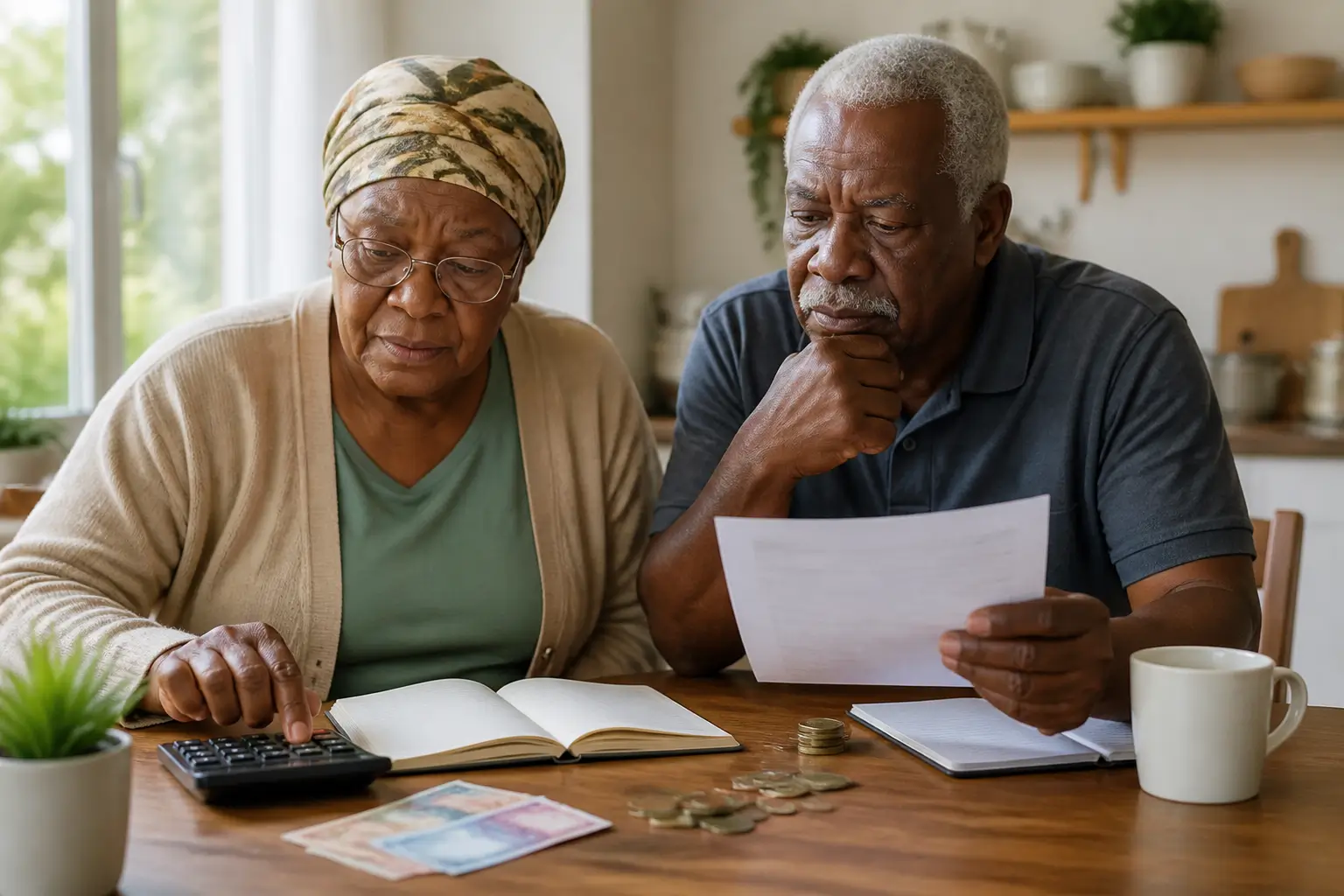
Unclaimed money South Africa: why this proposal matters
There is fresh attention on unclaimed money South Africa, after National Treasury proposed a central system to help people trace an estimated R88 billion linked to forgotten retirement savings, dormant bank accounts, unpaid insurance claims and investment returns. For many households, this is money that still belongs to ordinary people, even if the paperwork has gone missing.
We see the basic issue clearly: life changes. People change jobs, move homes, marry, divorce, change surnames, or leave the country. Over time, contact details go stale and records no longer match. In some cases, the person has died and the family does not know there is money waiting to be claimed.
The big question is not only how to find the money. It is also who should run the system, how much data should be held in one place, and what happens if a claim is never made.
Our team’s view is simple: a better tracing system can help families, but any solution must protect ownership rights and keep the process trustworthy.
How would a central claims system work?
At the moment, South African lenders, retirement administrators, insurers and other credit and savings institutions often run their own tracing efforts. Treasury’s proposal would bring more of that work into one central platform.
In broad terms, the proposed model would:
- keep a database of unclaimed assets;
- help trace possible owners or beneficiaries;
- offer a public claims portal;
- process valid claims on behalf of institutions;
- hold the assets in custody while they remain legally owned by the rightful person.
That sounds tidy on paper. It may also make it easier for someone to search in one place instead of contacting several organisations one by one. For families who have struggled with old records, that could be a real benefit.
What money is in the pool?
The proposed system would start with retirement fund benefits before widening to banking, insurance and investment products. The money in question is not “free money” for the state. It is money that still belongs to someone, but that someone has not been reached yet.
That distinction matters. When people talk about unclaimed assets, it can sound as if the funds have no owner. In law and in principle, that is not the case.
- Type of unclaimed asset: Retirement fund benefits — Common reason it goes missing: Job changes, poor employer records — Why tracing becomes hard: Old contact details and missing beneficiary information
- Type of unclaimed asset: Dormant bank accounts — Common reason it goes missing: Account left unused for years — Why tracing becomes hard: Customer moved, changed number, or left the country
- Type of unclaimed asset: Insurance claims — Common reason it goes missing: Policyholder or beneficiary not found — Why tracing becomes hard: Records may be outdated or incomplete
- Type of unclaimed asset: Investment returns — Common reason it goes missing: Owner unaware, or paperwork lost — Why tracing becomes hard: Names and addresses may no longer match
So what are the concerns?
Supporters of the plan say a single system could cut confusion and reduce duplication. Critics worry that concentrating sensitive financial data and claims handling in one place may create new risks.
Those risks are not small. If one platform is badly run, or becomes a target for cybercrime, the impact could be broad. If governance is weak, trust could fall quickly. And if people do not understand how the system works, they may still miss out on money that belongs to them.
Could the state eventually take the money?
One of the most sensitive parts of the proposal is the idea that claims could expire after a long period, after which the assets may move to the National Revenue Fund. Treasury has suggested a period of 45 years after the money becomes payable, or when the owner reaches age 110.
That raises an important public debate. If money legally belongs to an individual, should it ever be transferred away simply because no one claimed it for decades? Many South Africans will feel uneasy about that. Others may say the state needs a practical end point for very old, inactive assets.
Either way, the issue goes beyond administration. It touches ownership, fairness and trust in the system.
What ordinary South Africans should do now
Even if the proposal changes over time, the safest move is still to keep your records in order. That applies whether you are dealing with personal loans, retirement savings, insurance or everyday credit products.
- Check that your contact details are up to date with employers, retirement funds, banks and insurers.
- Tell your family where your important financial records are kept.
- Keep copies of payslips, beneficiary forms and policy documents in a safe place.
- If you change your surname or move abroad, update every provider.
- Review your statements now and then so old accounts do not get forgotten.
These steps do not take long, but they can save years of frustration later. We often see that unclaimed money is not lost because it disappeared. It is lost because the trail was broken.
Why this also matters for credit and repayment
There is another angle here. Many households use borrowed money carefully to manage big expenses, from car finance to home repairs and medical bills. If a person later discovers unclaimed funds, that money may help with arrears, debt repayment or emergency savings. But it should still be handled with care.
Borrowing and repayment discipline go hand in hand. A windfall, whether large or small, can help you reduce pressure, but it should not tempt you into taking on more credit than you can afford. The best approach is to treat unexpected money as a chance to strengthen your finances, not as a reason to stop budgeting.
If you are trying to get on top of monthly commitments, it helps to look at the full picture: income, instalments, debt, and any money that may still be waiting for you under old policies or accounts.
Will a central system actually help?
It probably could, if it is built properly. A single portal may make tracing easier, especially for people who have changed jobs often or moved around a lot. It could also help beneficiaries who do not know that a family member left behind savings or benefits.
But the design will matter. Good data, strong security, clear rules and transparent oversight are not optional. Without them, a central system could simply create a bigger version of the same problem.
For now, the debate is less about whether unclaimed assets should be found, and more about how South Africa should do it without weakening ownership rights or public trust.
If you want to keep your personal finances in good shape while you review your options, Spring Loans is available at Spring Loans.
Frequently asked questions
What is unclaimed money in South Africa?It is money or benefits that still belong to a person, but that have not been collected because the owner or beneficiary could not be found.
Will the new system mean the government owns the money?No. Under the proposal, the money would still belong to the rightful owner. The concern is what happens if a claim is never made for a very long time.
Why is it so hard to trace unclaimed funds?People move, change jobs, change surnames, leave the country or lose old records. Employer and provider records can also become outdated.
What should I do to avoid losing track of my own funds?Keep your contact details updated, store records safely, and let your family know where your policies and beneficiary details are kept.
Does this affect personal loans and other credit?Not directly, but any money you recover can help with repayment planning, emergency costs or reducing pressure on your monthly budget.
This article is for general informational purposes only and is not financial advice. Spring Loans is a registered South African credit provider — please speak to a qualified financial adviser or registered credit provider before making borrowing decisions.
Ready to apply?
Spring Loans is a registered South African credit provider. Visit www.springloans.co.za to check your eligibility and apply online.