
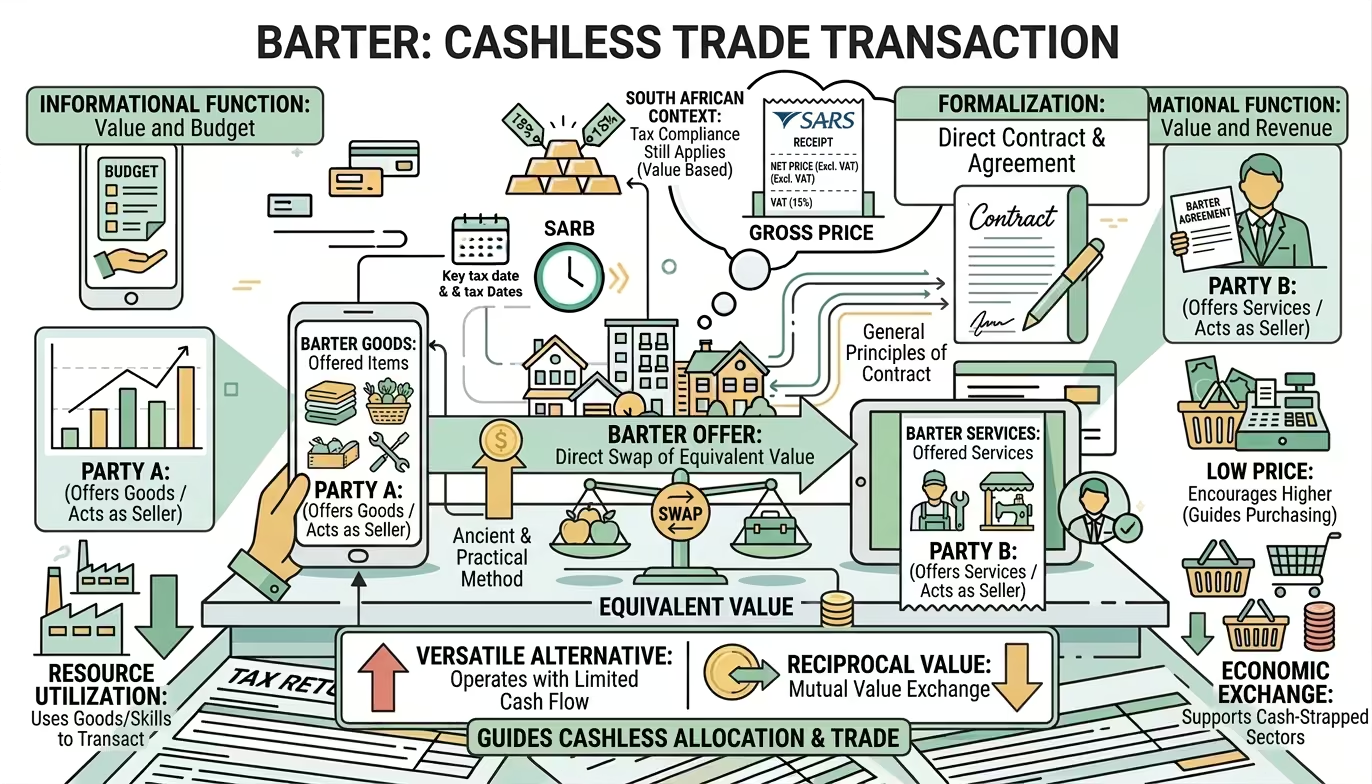
Barter is an ancient and practical method of conducting trade without the involvement of cash or monetary instruments. It simply entails swapping goods or services directly between two or more parties. This form of exchange remains relevant in many economies, including South Africa's, especially in contexts such as small business operations, informal markets, and community trading where cash flow might be limited. To ensure fairness and clarity, it is important that the goods or services exchanged have roughly equivalent value, balancing the transaction for all participants. Formalizing barter deals with a written agreement is highly recommended. This not only clarifies each party’s obligations and expectations but also provides legal protection if disputes arise. In South Africa, while barter is not regulated by a unique statute, these agreements fall under the general principles of contract and commercial law, which require mutual consent and proper documentation. Both parties in a barter agreement function as buyers and sellers simultaneously, making barter a versatile alternative to monetary trade, fostering business continuity especially in cash-strapped environments or sectors. Recognizing barter as a valid trading method can encourage economic exchange and support entrepreneurship within diverse markets across South Africa.
Fast, transparent, and stress-free — Spring Loans is here to help you take control of your finances.
Apply today and experience a smoother way to borrow.