

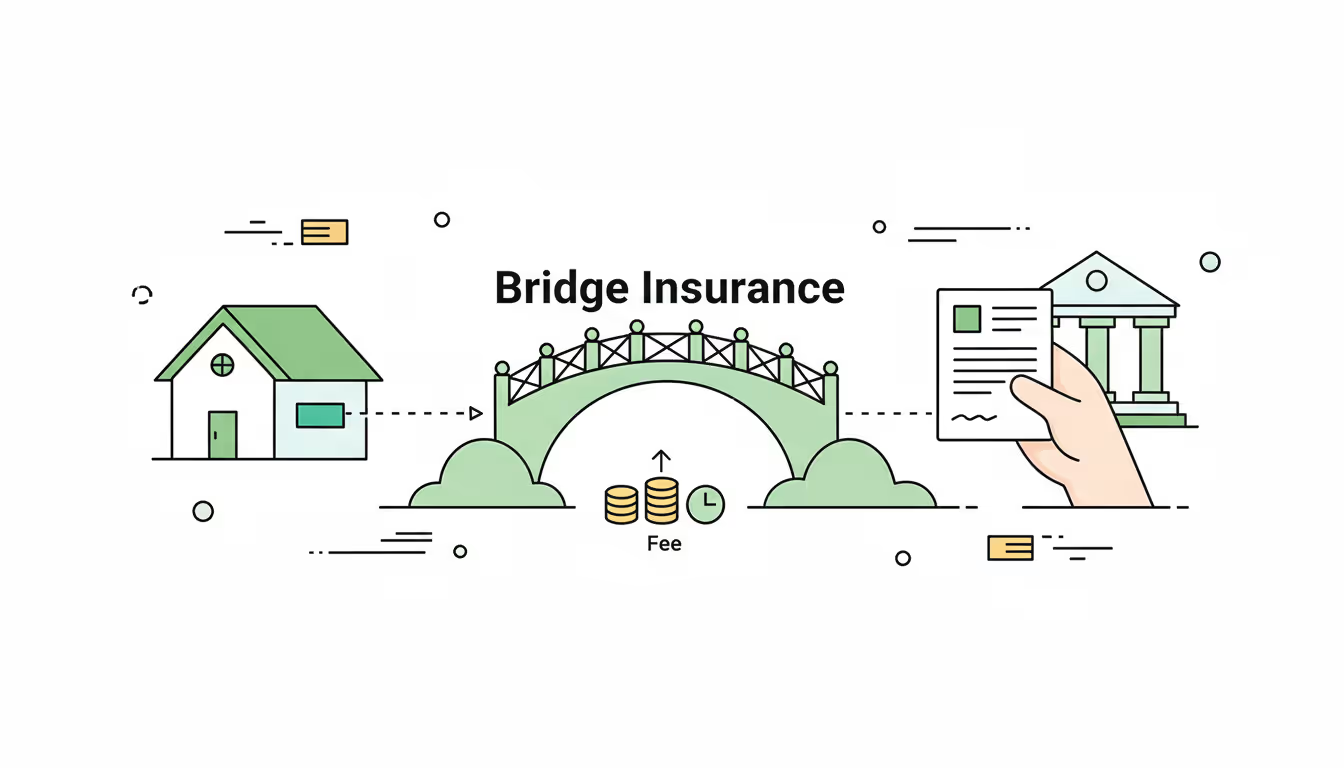
Bridge insurance plays an important role in the home financing process, especially between the time the mortgage funds are released and the official registration or registration of the mortgage bond is completed. During this interim period, the bank remains exposed to a degree of risk since the security interest has not yet been formally recorded. To safeguard against this, banks impose a form of insurance called bridge insurance, which is essentially temporary hazard protection covering this gap. In practice, this cost is calculated as a small percentage of the loan value—usually around 0.07%—and is incorporated into the monthly repayment amount. This mechanism encourages timely processing of mortgage registration while protecting the lender’s interest. Although the exact insurance product names and regulatory framework may vary, the concept of bridging risk during mortgage formalization is relevant and applicable in South Africa’s residential property financing environment. Borrowers should be aware of these additional costs and discuss them with lenders to understand the full cost of their home loan during the entire lending process.
Fast, transparent, and stress-free — Spring Loans is here to help you take control of your finances.
Apply today and experience a smoother way to borrow.