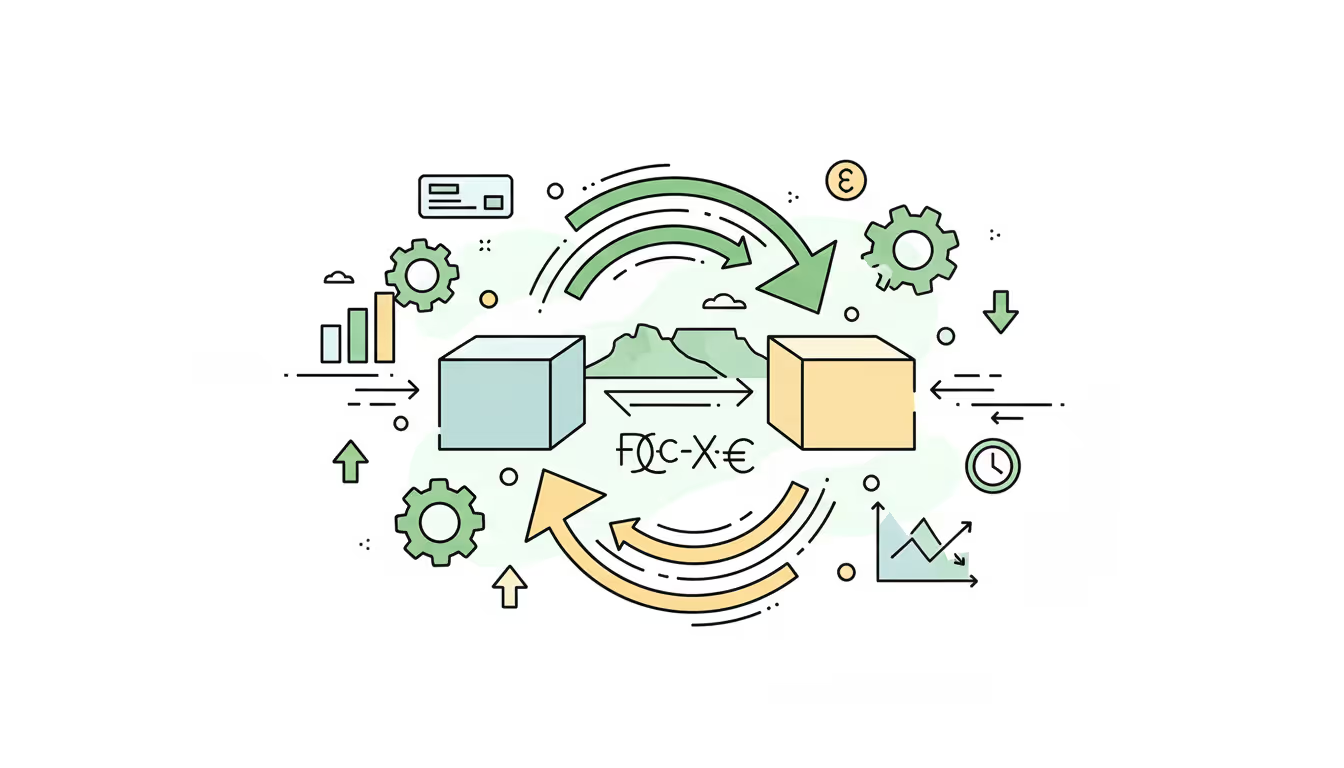

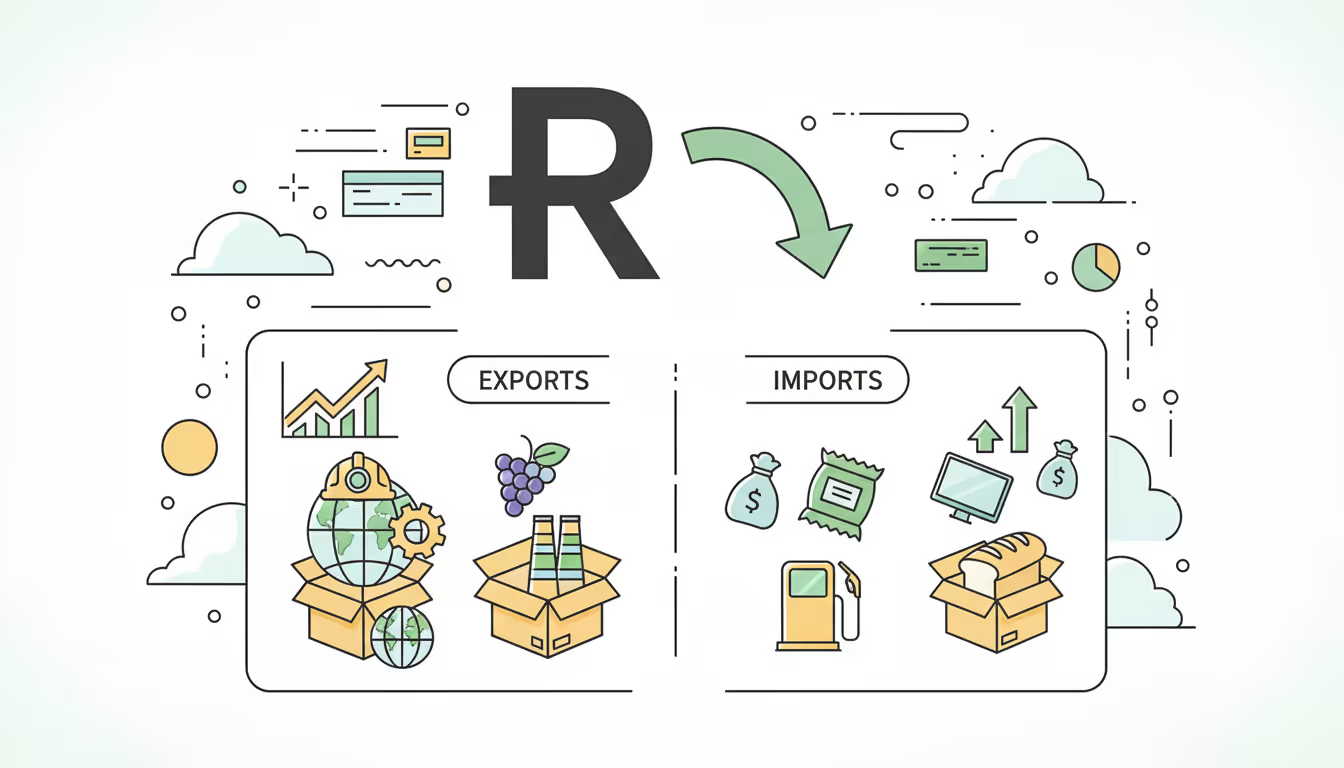
In South Africa, devaluation can be a strategic monetary tool used by the government or the South African Reserve Bank to influence the value of the rand in the foreign exchange market. By lowering the rand's value, South African exports become more affordable for international buyers, potentially enhancing the country's trade balance and supporting local industries that depend on export markets. This can be particularly relevant for sectors like mining, agriculture, and manufacturing, which are significant contributors to the South African economy. However, devaluation also poses challenges. It can lead to higher import costs, which may increase inflationary pressures, affecting the cost of living and business operating expenses. Additionally, the effectiveness of devaluation depends on various factors, including the elasticity of demand for exports and imports, the state of the global economy, and domestic economic policies. Therefore, while devaluation can be a useful tool for addressing trade imbalances and promoting economic growth, it requires careful consideration of its potential inflationary impact and long-term implications for financial stability in South Africa.
Fast, transparent, and stress-free — Spring Loans is here to help you take control of your finances.
Apply today and experience a smoother way to borrow.