

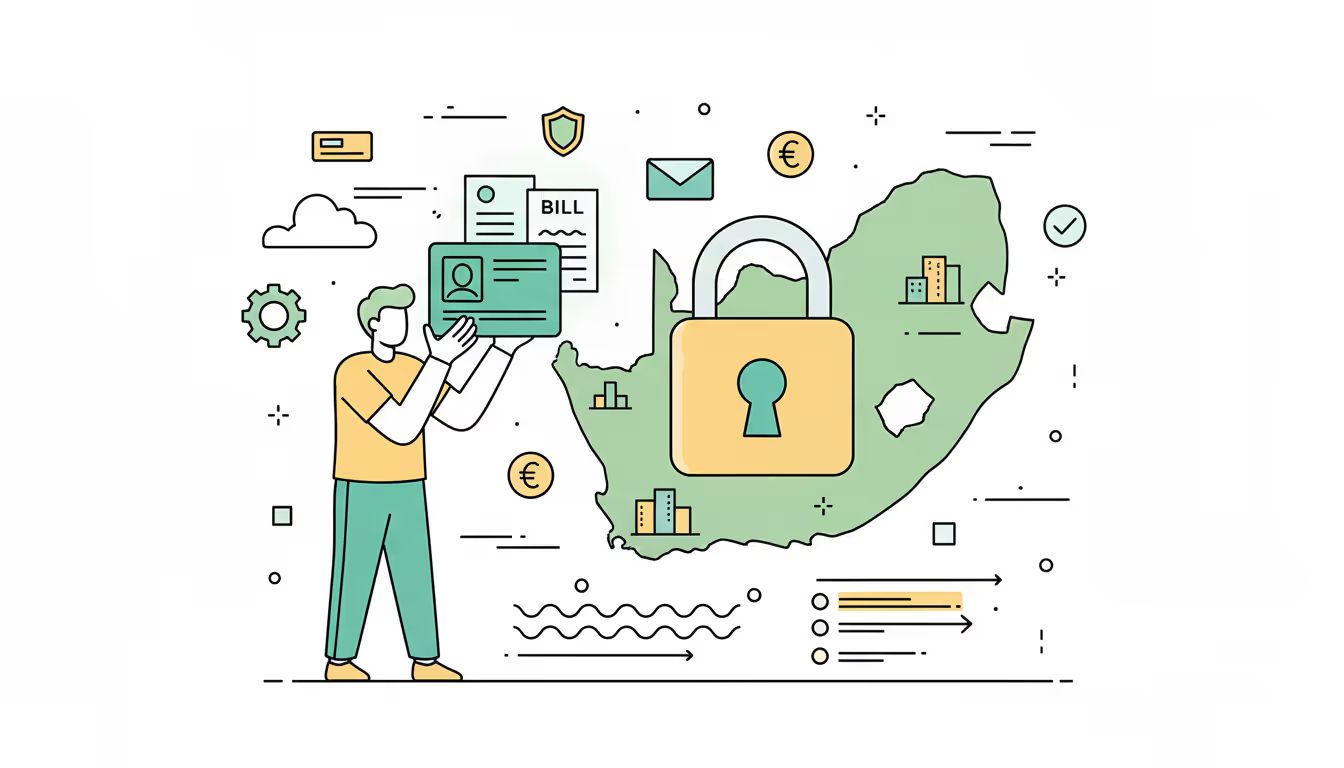
In South Africa, the implementation of KYC is a fundamental component of the financial regulatory framework overseen by bodies such as the Financial Sector Conduct Authority (FSCA) and the South African Reserve Bank (SARB). KYC procedures help South African financial institutions, including banks, insurers, and investment firms, to verify client identities and monitor financial transactions to prevent misuse for criminal purposes. Clients are typically required to provide comprehensive personal identification documents and proof of address during account opening or significant transactions. Moreover, ongoing monitoring ensures that any suspicious activity is detected promptly. KYC compliance not only protects consumers and financial institutions from fraud but also contributes to maintaining the integrity and stability of South Africa's financial system. Businesses beyond the financial sector, such as real estate agents and legal practitioners, also often adhere to KYC standards to mitigate risks. Understanding the importance of KYC helps consumers in South Africa to appreciate why these checks are necessary and how they safeguard their assets and the broader economy.
Fast, transparent, and stress-free — Spring Loans is here to help you take control of your finances.
Apply today and experience a smoother way to borrow.