
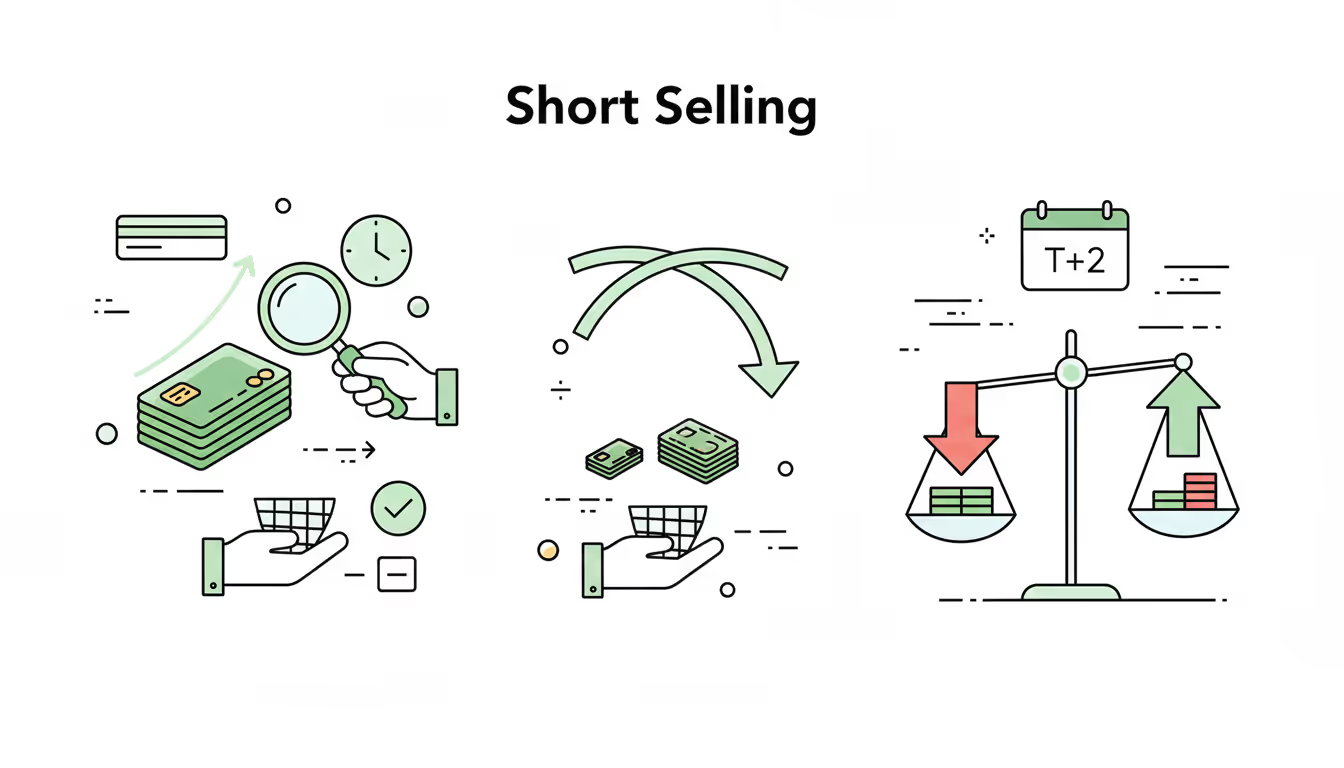
Short selling is a widely recognized trading technique in many financial markets, including South Africa. It involves selling securities that the trader has borrowed, rather than owned outright, with the goal of repurchasing them in the future at a potentially lower price to earn a profit. This practice applies to various securities such as stocks, bonds, or other financial instruments. In South Africa, short selling is regulated and conducted within established market frameworks and clearing cycles, often involving a T+2 (trade date plus two days) settlement period similar to other global markets. This allows investors to engage in short selling while ensuring proper settlement and risk management. It serves as both a hedging tool and a speculative strategy, offering market participants more flexibility to manage their portfolios. However, due to the risks involved, including the possibility of unlimited losses if the price rises unexpectedly, it is important for individuals and institutions participating in short selling to understand the rules and potential consequences fully. Overall, short selling contributes to market liquidity and price discovery, playing an important role in the South African financial ecosystem.
Fast, transparent, and stress-free — Spring Loans is here to help you take control of your finances.
Apply today and experience a smoother way to borrow.