
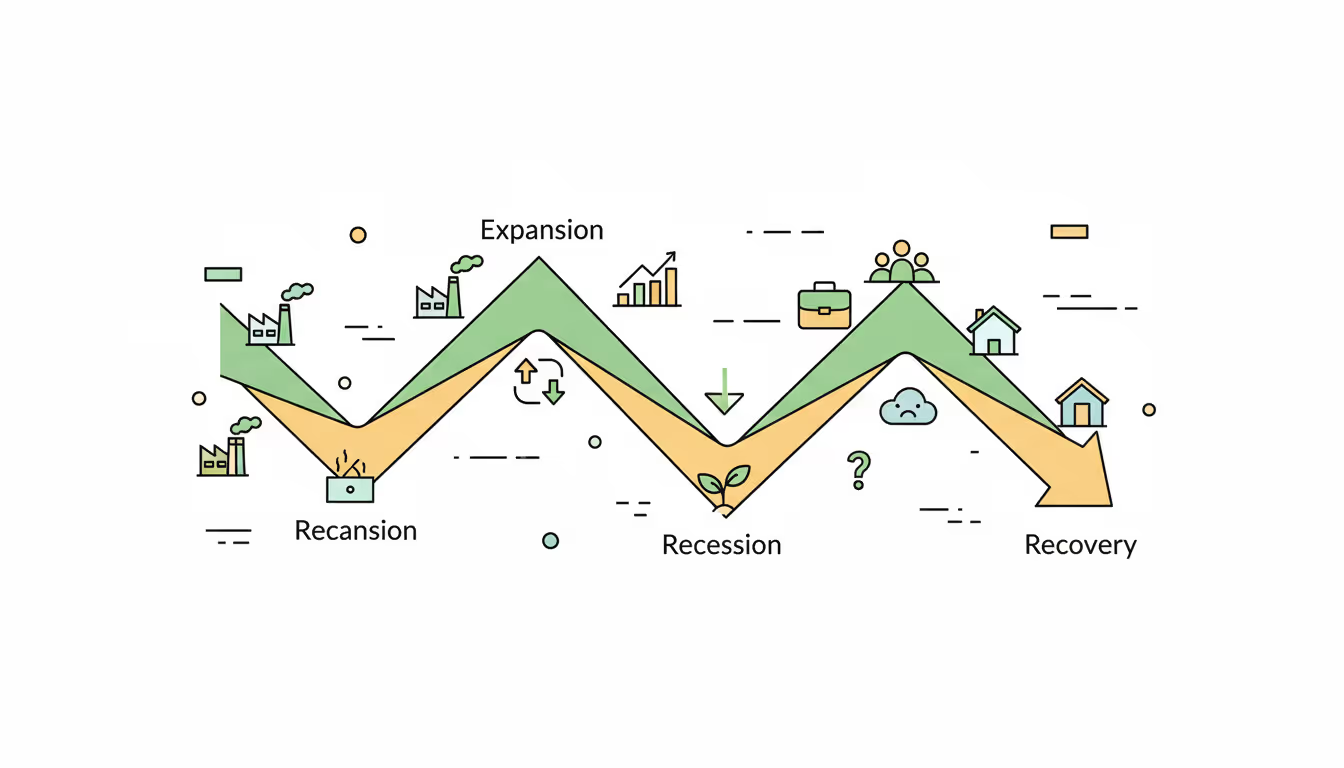
The business cycle plays a crucial role in understanding economic dynamics not only globally but also within the South African economy. It represents the regular fluctuations in economic activity that influence employment, inflation, investment, and overall economic health. During the expansion phase, businesses increase production and employment rises, contributing to economic growth. The peak marks the highest point of economic performance before activity slows down. Recession follows as economic output falls, leading to reduced consumer spending, higher unemployment, and tightened investment. Eventually, the economy reaches the trough, the lowest point, before starting to recover again. Policymakers and investors in South Africa closely monitor various economic indicators such as GDP growth rates, unemployment statistics, inflation levels, export and import data, stock market trends, business investments, inventory levels, corporate earnings, and household incomes and expenditures. These metrics provide insights into which stage of the business cycle the economy is in, enabling better decision-making regarding fiscal and monetary policies, business strategies, and personal financial planning. Understanding the business cycle is essential for South African stakeholders to navigate economic challenges and opportunities effectively, ensuring improved economic stability and growth prospects.
Fast, transparent, and stress-free — Spring Loans is here to help you take control of your finances.
Apply today and experience a smoother way to borrow.