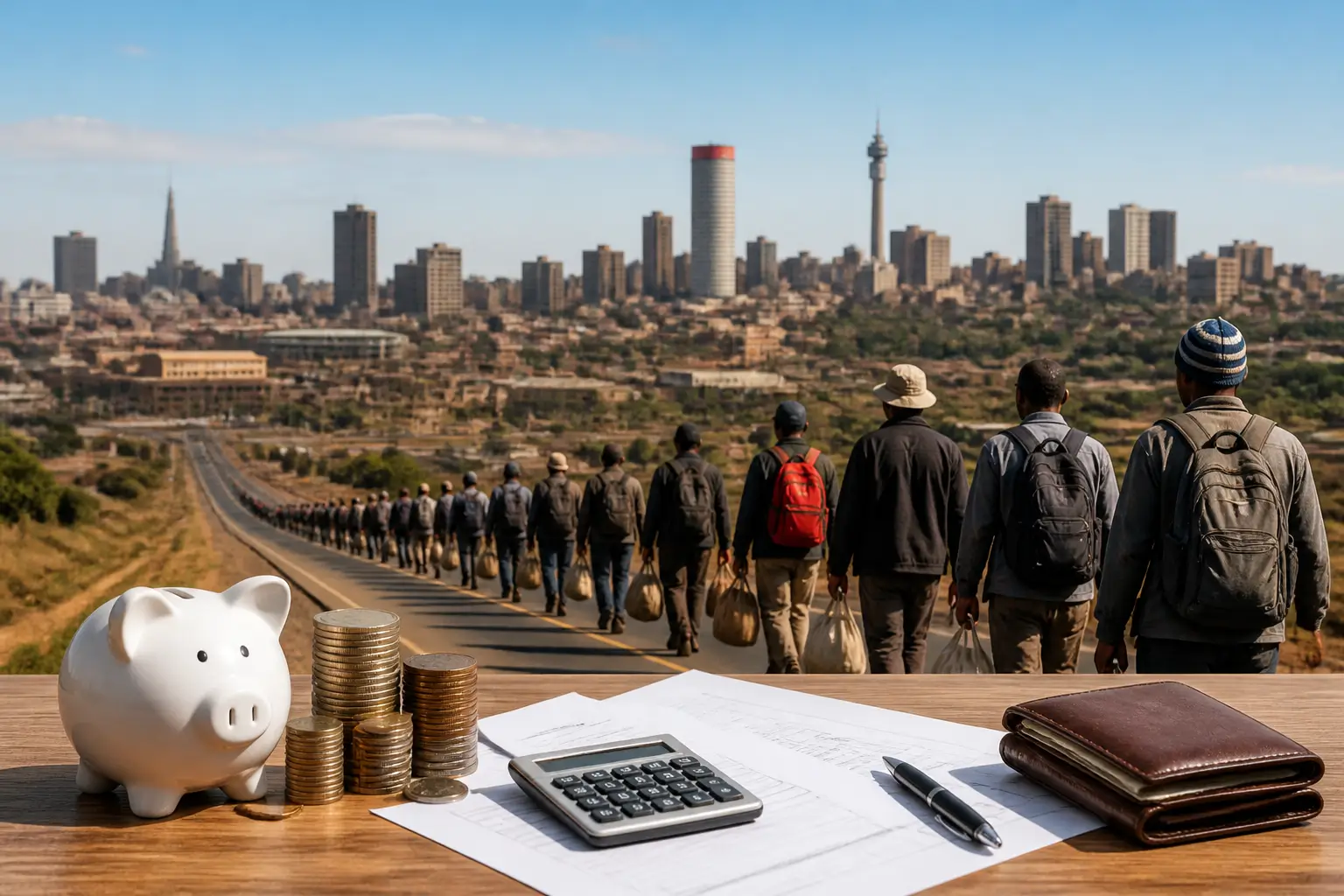


Retirement savings South Africa is becoming a bigger question for people who keep working after retirement age. With living costs still climbing, many retirees in South Africa are earning an income, consulting part-time, or running small businesses while trying to protect the money they worked so hard to build.
That can be a smart move. But it also brings new choices. Do you use savings for everyday costs, or keep them intact and rely on your current income? Do you take on personal loans for a short-term need, or adjust spending and protect your long-term capital? In our experience, the answer starts with a clear plan.
Why retirement savings South Africa needs a new approach
The old idea of retirement as a full stop no longer fits many households. People are living longer, staying active for longer, and often choosing to work beyond the usual retirement age. Some do it because they want to. Others do it because their pension or savings alone may not cover monthly expenses for long enough.
That is why retirement planning now needs a different mindset. It is no longer only about building a nest egg. It is also about repayment discipline, cash-flow control, and keeping some money aside for the unexpected.
Our team often sees the same mistake: retirees use long-term savings for short-term problems. That can shrink the pot faster than most people expect.
Keep your savings and spending money apart
One of the simplest ways to protect your retirement pot is to keep your accessible money separate from your long-term savings. If everything sits in one place, it becomes far too easy to treat retirement money like a day-to-day account.
A better approach is to ring-fence your savings and use your earned income for living costs. If your income changes from month to month, build a basic budget around your must-pay items first: food, housing, transport, medical cover, utilities and debt instalments.
What should stay in the long-term pot?
- Money meant to support you later in life
- Funds you do not need for monthly spending
- Any growth capital you want to preserve
What should be paid from current income?
- Groceries and household bills
- Transport and fuel
- Normal debt repayments
- Small repairs and routine expenses
Build an emergency fund before you touch retirement capital
When a tyre bursts, a geyser fails or a medical bill arrives, many people reach straight for savings. But if you are still earning, an emergency fund is often the better first line of defence. It gives you a buffer so you do not have to pull money from your retirement savings every time life gets messy.
Even a modest emergency fund can help with the small shocks that often become expensive when they are funded with debt. The key is consistency. Put away a little every month and keep that money easy to access.
A simple order of priorities
- Cover your monthly essentials
- Pay your important debt on time
- Build an emergency fund
- Protect retirement savings from unnecessary withdrawals
Should you use credit or savings for an unexpected cost?
Sometimes the question is not whether you have the money, but where that money should come from. If a cost is urgent and you cannot pay it from income or your emergency fund, credit may be worth considering. But it should be used carefully and for a clear reason.
As a general rule, borrowing makes more sense when it solves a real problem and fits your budget. It makes less sense when it is just covering everyday lifestyle spending that is already too high.
- Option: Emergency fund — Best for: Small, unexpected costs — Watch out for: It must be rebuilt after use
- Option: Personal loans — Best for: Planned or necessary expenses — Watch out for: Monthly instalments must stay affordable
- Option: Retirement savings — Best for: Long-term support later in life — Watch out for: Withdrawals can weaken future security
If you do borrow, focus on the repayment first. Ask yourself whether the instalment will still feel manageable if another bill pops up next month. That is the real test.
You can also review repayment structures, compare your options carefully, and use a provider like Spring Loans if you want to explore borrowing in a responsible way.
Treat side income like a tool, not a bonus
Many retirees now earn extra money through consulting, freelance work, rental income or a small trading business. That extra income can be very useful. It can cover monthly costs, reduce pressure on savings and help you keep your retirement pot untouched for longer.
But there is a trap here too. If the side income starts to feel like extra spending money, it disappears quickly. A better approach is to give every rand a job.
Good uses for extra income
- Top up your emergency fund
- Pay down expensive debt faster
- Cover rising monthly costs
- Protect retirement capital from withdrawals
This is where discipline matters most. The more predictable your monthly system becomes, the less likely you are to raid long-term savings for short-term comfort.
Review your financial plan often
Retirement is not a one-time event. Your income, health, family responsibilities and living costs can all change. A plan that worked two years ago may no longer fit today.
That is why we recommend a regular review. Look at your income sources, your repayments, your savings balance and your monthly costs. If something has changed, adjust early rather than waiting until the pressure builds.
A few signs your plan needs attention
- You rely on savings more often than you planned
- Debt repayments are starting to squeeze your monthly budget
- You no longer have an emergency buffer
- Your side income is covering gaps instead of supporting your future
Small changes now can make a big difference later. A tighter budget, a better repayment plan, or a more disciplined savings routine can protect your financial freedom for years.
Frequently asked questions
Can retirees still apply for personal loans?They may be able to, depending on affordability and the provider’s checks. The important point is to make sure the repayment fits comfortably into the monthly budget.
Should retirement savings be used for emergencies?Only as a last resort. If you are still earning, an emergency fund and careful budgeting are usually better first options.
What is the biggest risk to retirement savings?Repeated withdrawals for everyday costs. Over time, that can reduce the money available later in life.
How can extra income help?It can be used to build a cash buffer, reduce debt and protect retirement savings from unnecessary use.
Is it worth reviewing a retirement plan each year?Yes. Even small changes in income or costs can affect how long your money lasts.
This article is for general informational purposes only and is not financial advice. Spring Loans is a registered South African credit provider — please speak to a qualified financial adviser or registered credit provider before making borrowing decisions.
Ready to apply?
Spring Loans is a registered South African credit provider. Visit www.springloans.co.za to check your eligibility and apply online.

.svg)